
Renovation & Construction Loans in California
A renovation or construction loan can combine property financing with eligible project costs. These loans require more planning than a standard purchase mortgage, so begin with the scope, budget, contractor, and timeline—not only the hoped-for finished value.
Finance the project with the property

What renovation and construction loans do
Renovation financing may use an as-completed appraisal and hold project funds in an escrow account. Construction financing may fund land and building costs through scheduled draws. The exact structure, eligible work, and closing process vary by program and lender.

When they may be useful
These programs may help a buyer purchasing an eligible fixer-upper, an owner improving a current home, or a borrower building a new primary residence. Property type, occupancy, contractor eligibility, and project size determine which options are available.

Budgets, appraisals, and draws
The lender reviews plans, specifications, contractor documents, bids, and a contingency reserve. Funds are typically released after inspections confirm completed work. Changes, delays, or cost overruns can affect draws and the borrower’s required cash.
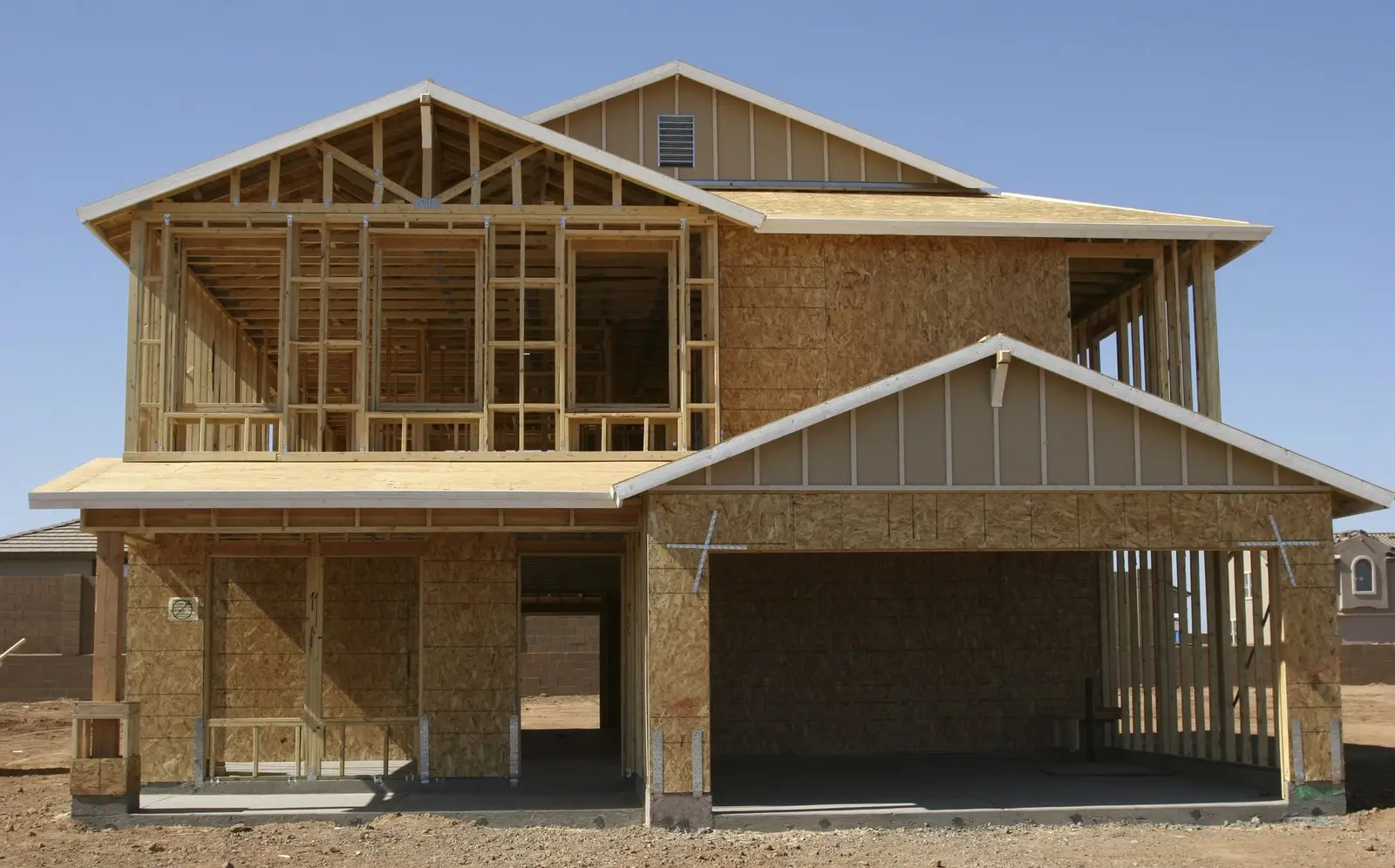
Common program structures
Potential options include FHA 203(k), Fannie Mae HomeStyle, and lender-specific construction-to-permanent programs. Each has distinct occupancy, project, contractor, appraisal, and draw rules, and not every lender offers every program.
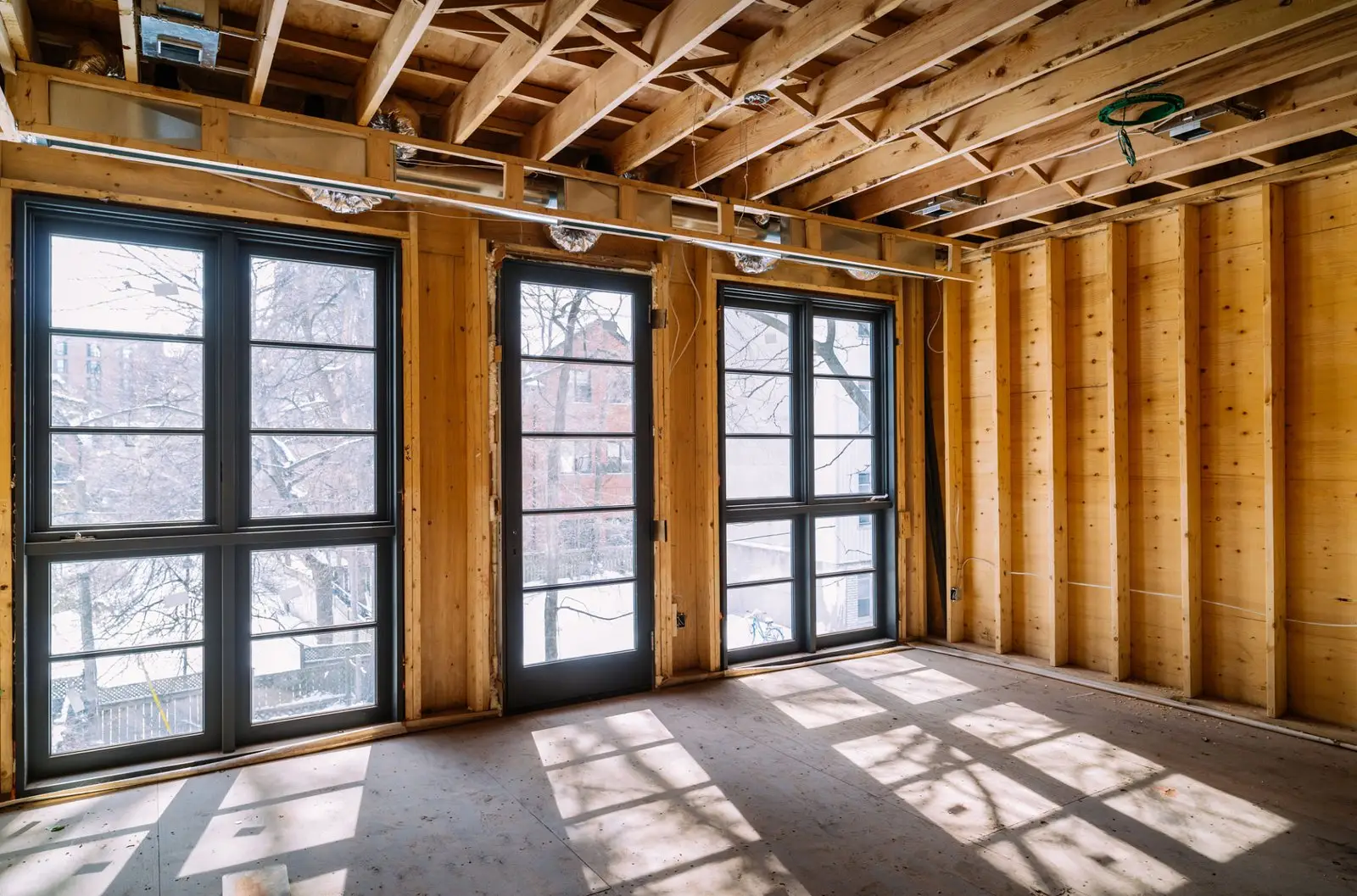
Benefits and added complexity
Combining the property and project in one financing plan can be useful, but it adds inspections, draw administration, fees, and schedule risk. One-closing and two-closing construction structures should be compared on total cost and rate risk.

Questions to settle before applying
Before applying, define the scope, obtain realistic bids, check contractor availability, and reserve funds for ineligible work or overruns. Ask who controls draws, how change orders are handled, and what happens if the project misses its completion deadline.
Plan the financing with Kristy
Kristy can help compare available structures and prepare the mortgage documentation. Project timing and cost also depend on the lender, appraiser, draw administrator, contractor, permits, inspections, and changes to the work.
Renovation and Construction Loan FAQs
Plan for budgets, plans, contractor review, appraisals and draw controls before financing a major project.
How does renovation financing differ from a standard purchase mortgage?
A renovation loan can combine eligible property financing and approved improvement costs, while a standard mortgage generally underwrites the home in its current condition. The renovation file normally adds plans, a detailed budget, contractor documents, inspections and controlled fund disbursements.
What is the difference between renovation and ground-up construction financing?
Renovation financing improves an existing structure. Ground-up construction financing funds a new build and may involve land, plans, permits, builder approval, interest during construction and conversion or refinance at completion. Program structure varies, so define the project before comparing loans.
How is the property's value determined when work is not finished?
An appraisal may evaluate the plans, specifications, budget and comparable properties to develop an eligible subject-to-completion value. The lender also reviews the current property and project feasibility. A higher proposed value is not guaranteed merely because the renovation costs more.
How are construction or renovation funds paid out?
Funds are commonly held in a controlled account and released in draws after documented progress and required inspections. Borrowers should understand contingency requirements, change-order rules, draw timing and which costs are ineligible before work begins.
What should I prepare before discussing a renovation loan?
Bring the property or project concept, a realistic scope, preliminary budget, timeline and information about the contractor or builder. Do not begin work that could affect eligibility before receiving program guidance. Compare conventional purchase financing or describe the project to Kristy.
How do single-close and separate construction financing differ?
A single-close structure combines construction and permanent financing under one process, while separate financing may require a later permanent-loan approval and another closing. Availability, rate treatment, qualification, costs, timeline and risk differ, so compare the complete process rather than one quoted rate.